Why Early Signs of Surface Separation Are Easier to Catch During Rainy Months
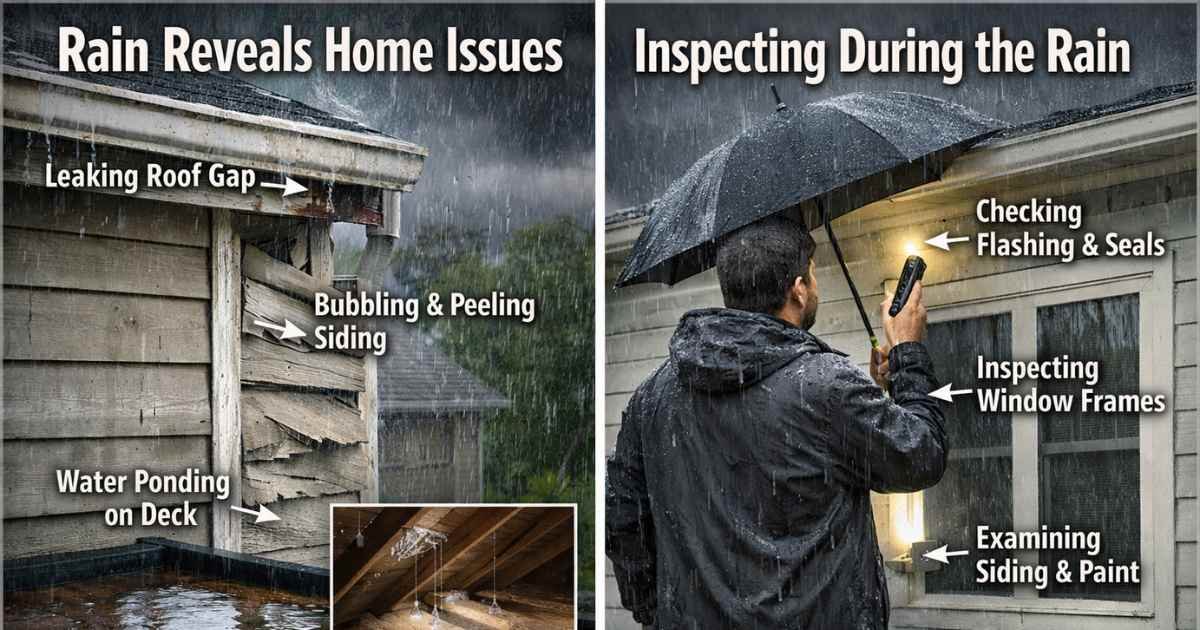
Rainy days usually make most people want to curl up with a blanket and a hot drink. However, for a homeowner, a steady downpour is actually the best diagnostic tool you have for your house. When water starts hitting your exterior surfaces, it acts like a highlighter for problems that are invisible during the dry season. If you are worried about your home’s integrity, reaching out to a roof repair park city contractor during these wet months can help you get ahead of major damage. Catching surface separation early is the difference between a quick fix and a total overhaul.
The Role of Moisture in Revealing Gaps
Surface separation happens when different building materials start to pull away from one another. This often occurs where your siding meets your window frames or where the roofline joins the fascia boards. During the summer, heat causes materials to expand, which can sometimes mask these gaps by jamming the materials together.
When the rain starts, the cooling effect and the physical presence of water change the game. Water is relentless. It finds the path of least resistance. If there is a hairline crack in your sealant or a slight pull-away in your flashing, water will seep into it. You will see damp spots or darkening wood that simply would not show up when the air is bone dry.
Why Flat Surfaces Tell a Story
If you have a flat roof or a deck, the rain is your best friend for inspections. While these surfaces are designed to shed water, they often develop tiny depressions over time. During a dry spell, you cannot see these dips. Once it rains, you will notice “ponding” or small puddles that refuse to drain.
These ponds put constant pressure on the surface material. This weight and moisture eventually cause the top layer to separate from the substrate. If you see water sitting still for hours after the clouds clear, you are looking at an early warning sign of separation. Ignoring this leads to delamination, where the layers of your roof or deck literally peel apart like an old book.
Bubbling and Blistering Siding
Rain also highlights issues with your paint and siding. When the exterior bond of your home starts to fail, moisture gets trapped behind the surface. This creates visible bubbles or blisters. In dry weather, the air behind these bubbles might cool and shrink, making the surface look relatively flat.
During a heavy rainstorm, the humidity and liquid water increase the pressure behind those spots. You might see the paint start to bulge or the siding look slightly warped. This is a classic sign of surface separation. The protective coating is no longer “one” with the structure. If you catch this while it is just a few bubbles, you can scrape and seal it. If you wait, the rain will eventually rot the wood underneath.
The Attic Inspection Secret
Most people check their walls for leaks, but the real story of surface separation is told in the attic during a storm. This is where your roof meets the structural bones of your house. When it is raining, you can take a flashlight upstairs and look for “tracking.”
Tracking is when water enters through a separated seam on the roof and runs down a rafter. Because the wood gets darker when wet, these trails are easy to spot in real time. In the summer, these trails might just look like old dust or faint stains, making it hard to tell if the problem is active. Seeing a live drip tells you exactly which exterior seam has separated, allowing for a surgical repair rather than a guessing game.
The Physics of Thermal Contraction
Materials like metal, wood, and vinyl all react to temperature changes at different rates. Rainy months often bring quick temperature drops. This causes materials to contract. If two materials are joined together but have different contraction rates, they will tug at each other.
The rain acts as a lubricant and a visual indicator during this process. You might hear small creaks or see new gaps open up around your chimney or vents. These areas are notorious for surface separation. When the sealant gets old and brittle, it cannot handle the tug-of-war caused by the cold rain. Checking these transition points during a storm allows you to see the physical gap as it happens.
Final Word
Taking a walk around your property with an umbrella may seem like a tedious task. Fight the laziness and do it anyway. This simple walk around your perimeter can protect your investment. Water reveals the truth about your home’s exterior in a way that sunshine never can. If you notice any pooling or tracking, take note of it. The same holds true for bubbling. When you spot all of these, call an expert. A certified roof repair park city service can seal those gaps before the snow flies or the rot sets in. Staying proactive now will keep your home dry and your bank account full in the long run.
Turn ordinary moments into learning opportunities — read something meaningful today.